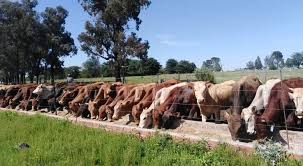

Investing in a feedlot involves far more than purchasing land and livestock infrastructure. A profitable operation depends on efficiency, location, operational scalability, water access, feed supply management, and long term market demand. Buyers entering the agricultural investment sector often focus heavily on property size, but successful feedlot performance is usually determined by a much broader combination of operational and financial factors.
Australia’s feedlot sector continues attracting strong attention because grain fed beef demand remains significant across both domestic and export markets. Industry profitability is closely tied to feed costs, cattle prices, and operational efficiency. Understanding what separates a strong feedlot investment from a risky one is therefore essential before making any purchasing decision.
Location And Market Access Matter Significantly
A feedlot’s location directly affects transportation costs, supply chain efficiency, and market accessibility. Properties positioned near major cattle producing regions, grain suppliers, processing facilities, and transport networks generally operate more efficiently over the long term.
Reduced freight costs improve operational margins while easier access to processing plants and export channels strengthens business flexibility. Strategic positioning also supports faster livestock movement and feed procurement during fluctuating market conditions.
This is one reason high performing feedlot assets continue attracting investor interest across Australia.
Reliable Water Supply Is Non Negotiable
Water availability remains one of the most critical features of any feedlot operation. Livestock health, feed preparation, cleaning systems, and operational sustainability all depend heavily on secure water infrastructure.
Buyers should carefully evaluate bore reliability, water storage capacity, rainfall consistency, and long term water security. A feedlot without dependable water access can quickly become financially vulnerable during dry conditions.
Strong water infrastructure is often one of the clearest indicators of operational resilience.
Feed Supply And Grain Access Influence Profitability
Feed and cattle costs represent the two largest expenses within feedlot operations. Properties located near grain producing regions or feed suppliers generally maintain stronger cost control and operational stability.
Feedlots that can secure efficient feed sourcing tend to perform more consistently during changing commodity cycles. Buyers should therefore assess grain availability, storage systems, ration preparation facilities, and supplier relationships before purchasing.
Feed efficiency directly impacts long term operating margins.
Infrastructure Quality Should Be Evaluated Carefully
Well maintained infrastructure reduces operational downtime and future capital expenditure. Buyers should inspect pens, fencing, drainage systems, feed bunks, water delivery systems, cattle handling facilities, loading areas, and waste management processes thoroughly.
Modern infrastructure also improves labour efficiency and livestock performance. Poorly designed layouts or aging systems may require substantial upgrades shortly after acquisition.
When assessing feedlots for sale in Australia, infrastructure quality often becomes one of the strongest indicators of whether the operation can remain productive without major additional investment.
Operational efficiency starts with functional infrastructure.
Capacity And Scalability Affect Long Term Growth
Feedlot profitability is strongly influenced by stocking capacity and expansion potential. Larger operations often benefit from economies of scale, which can improve cost efficiency across labour, feeding systems, and logistics.
However, scalability should also remain practical. Buyers need to evaluate whether the property has room for future expansion while maintaining operational efficiency and environmental compliance.
A feedlot with growth potential may provide stronger long term investment flexibility.
Environmental And Compliance Considerations
Feedlot operations are heavily regulated due to environmental and animal welfare considerations. Waste management systems, drainage control, environmental approvals, and compliance history should all be reviewed carefully before purchase.
Regulatory expectations continue evolving across the agricultural sector, making compliance preparedness increasingly important for long term operational security.
Ignoring these factors can create substantial financial and legal risks later.
Financial Performance And Market Position
Historical performance data provides valuable insight into how effectively the feedlot has operated under varying market conditions. Buyers should review occupancy rates, cattle turnover performance, operational costs, and customer relationships where available.
Australia’s feedlot industry remains closely linked to export demand and cattle market conditions. Properties with established commercial networks and operational consistency generally offer stronger investment confidence.
Reliable management systems also play a major role in sustained profitability.
Helpful Related Agricultural Investment Research
Investors also benefit from reviewing cattle feed efficiency management strategies and agricultural infrastructure investment planning because these related topics provide broader understanding of long term feedlot performance factors.
Stronger industry knowledge supports smarter purchasing decisions.
Choosing The Right Feedlot
A profitable feedlot investment depends on far more than land size or cattle numbers alone. Water security, infrastructure quality, grain access, operational scalability, compliance readiness, and market positioning all contribute directly to long term success.
Careful evaluation of these features helps investors identify properties capable of sustaining efficiency and profitability across changing agricultural conditions. The strongest feedlot opportunities are usually those built on practical operational strength rather than short term market excitement.
A well selected feedlot can become a highly valuable agricultural asset, but only when the operational foundations supporting that investment are thoroughly understood from the beginning.