



Introduction
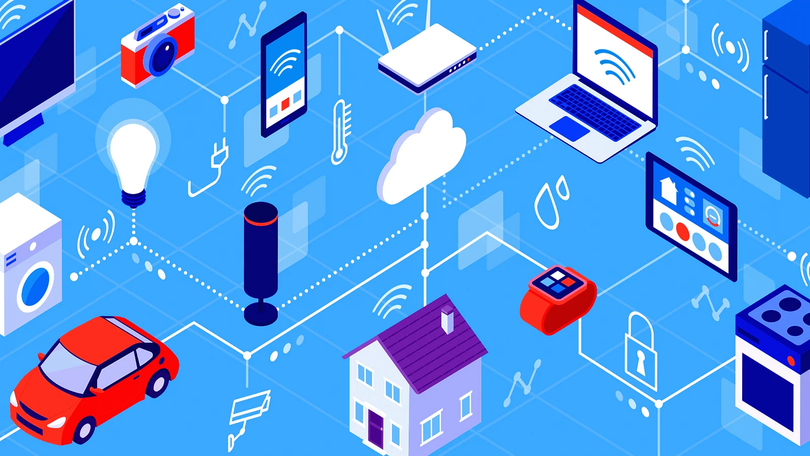
From smart thermostats and fitness trackers to connected factory equipment, everyday objects are increasingly able to collect information and communicate over networks. This connected ecosystem is known as the Internet of Things, or IoT. It links physical devices with software and data services, allowing people and organizations to monitor conditions, automate tasks, and respond to changes. IoT can make systems more convenient and efficient, but it also raises important questions about privacy, reliability, and security.
What Is the Internet of Things?
The Internet of Things describes physical objects equipped with sensors, software, and network connectivity that allow them to collect and exchange data. A device may measure temperature, movement, location, pressure, or energy use. It can send this information to a phone, local hub, or cloud platform where software interprets it. Depending on the system, a user or automated rule can then trigger an action, such as adjusting a thermostat or sending an equipment alert.
How Connected Devices Work
A typical IoT system includes a device or sensor, a network connection, a platform that processes information, and an interface for users. Some devices communicate directly with Wi-Fi or cellular networks, while others use a local gateway or low-power wireless technology. The system may process information on the device itself, through edge computing, or in a cloud service. The design affects battery life, response time, connectivity requirements, and how much data leaves the location.
Whatever our souls are made of, his and mine are the same. I took a deep breath and listened to the old brag of my heart. She wasn’t doing a thing that I could see, except standing there leaning on the balcony railing.
Smart Homes and Personal Technology
In homes, IoT devices can support lighting, heating, security cameras, door locks, appliances, and energy monitoring. A smart thermostat may adjust temperatures based on schedules or occupancy, while a connected leak sensor can alert a homeowner to a possible water problem. Wearable devices can record activity and other measurements for personal tracking. These products can be useful, but users should understand what information is collected, who can access it, and how long it is retained.
IoT in Industry and Business
Factories use connected sensors to monitor machinery, temperature, vibration, and production conditions. This information can help maintenance teams identify unusual patterns before equipment fails. In logistics, tracking devices can provide visibility into the location or condition of shipments. Agriculture systems can monitor soil moisture and weather conditions to support irrigation decisions. These applications can improve awareness and resource planning, although results depend on sensor accuracy, connectivity, and good operational processes.
Benefits of IoT Technology
Connected devices can provide real-time visibility into environments that were previously difficult to monitor. Automation may reduce repetitive checks, improve energy management, and help teams respond more quickly to faults. Historical sensor data can also reveal patterns that support maintenance planning and process improvement. The most useful IoT projects begin with a clearly defined need rather than adding connected technology simply because it is available.
Privacy and Security Risks
An IoT device can become a point of entry if it uses weak passwords, outdated software, or insecure network settings. Cameras, microphones, location services, and health-related sensors may collect sensitive information. Before buying a connected product, check its update policy, privacy settings, data-sharing practices, and support period. Change default passwords, install updates, use a separate network for smart devices when practical, and disable features that are not needed.
Challenges in IoT Deployment
IoT projects can be difficult when devices from different manufacturers use incompatible standards or platforms. Organizations may also face unreliable connectivity, battery limitations, large volumes of data, and ongoing maintenance requirements. A successful deployment needs device management, clear ownership, monitoring, and a plan for replacing equipment that reaches end of life. Businesses should test systems in real operating conditions before expanding them widely.
What Comes Next for IoT?
IoT is developing alongside artificial intelligence, faster networks, and edge computing. These technologies can help systems analyze information closer to where it is collected and respond with less delay. As connected devices become more common, interoperability, privacy, and long-term security support will become increasingly important. Consumers and businesses should evaluate not only what a device can do today but also how it will be maintained over time.
Conclusion
The Internet of Things connects physical devices to digital services, creating new ways to monitor, automate, and improve homes and businesses. Its value comes from solving practical problems with reliable data and useful actions. By choosing supported products, securing devices, reviewing privacy settings, and planning for maintenance, users can benefit from connected technology while managing its risks.

