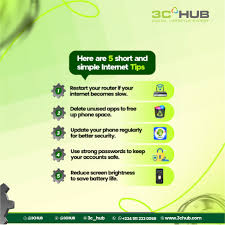

In today’s connected world, browsing the internet has become part of almost every daily routine. Whether you are researching a topic, shopping online, reading the news, or simply relaxing, a better browsing experience can save time and reduce unnecessary risks. Even small habits can make a noticeable difference. For example, knowing how to organize tabs, recognize trustworthy websites, manage privacy settings, and avoid suspicious links can help you browse with greater confidence. If you come across websites or online platforms such as luxury138, it is also useful to apply the same basic browsing habits: check the address carefully, use secure connections, and avoid entering sensitive information unless you trust the site.
Keep Your Browser Updated
One of the easiest ways to improve your browsing experience is to keep your web browser updated. Popular browsers regularly release updates that improve performance, fix bugs, and address security vulnerabilities. Running an outdated browser can leave you exposed to problems that have already been resolved in newer versions.
Most modern browsers can update automatically, but it is still a good idea to check your settings occasionally. If automatic updates are disabled, enable them whenever possible. The same principle applies to your operating system and other essential software. A secure browsing environment depends on keeping the entire device up to date, not just the browser itself.
Choose Strong and Unique Passwords
Passwords remain an important part of online security. Using the same password across multiple websites can create a serious problem. If one service experiences a data breach, attackers may attempt to use the exposed password on other accounts.
A better approach is to use a unique password for every important account. Password managers can make this easier by generating and storing strong passwords for you. Instead of trying to remember dozens of complex combinations, you only need to remember one strong master password.
For important accounts, such as email, banking, and cloud storage, consider using long passwords or passphrases. Combining different words with numbers and symbols can create passwords that are difficult to guess while remaining manageable.
Turn On Two-Factor Authentication
Two-factor authentication, often called 2FA, adds another layer of protection to your online accounts. With 2FA enabled, logging in usually requires more than just your password. You may need to enter a code from an authentication app, confirm a login on another device, or use another verification method.
This extra step can help protect your account if someone discovers your password. Whenever a service offers reliable two-factor authentication, especially for sensitive accounts, it is worth enabling.
Be Careful With Suspicious Links
The internet contains countless useful links, but not every link is trustworthy. Be cautious when receiving unexpected messages containing links, especially if they create a sense of urgency. Messages claiming that your account will be closed immediately or that you have won an unexpected prize are common examples of tactics used to encourage rushed decisions.
Before clicking, look carefully at the destination address. If a message appears to come from a company you know, visit the company’s official website directly rather than relying on a questionable link.
Hovering over a link on a desktop computer can sometimes reveal the destination before you click it. On mobile devices, you can often press and hold a link to preview its address. These simple checks can help you avoid many suspicious websites.
Learn to Recognize Secure Websites
When entering personal information online, pay attention to the website address. Secure websites generally use HTTPS, which indicates that the connection between your browser and the website is encrypted.
However, HTTPS alone does not guarantee that a website is trustworthy. Scammers can also use secure connections for fraudulent websites. Therefore, always check the domain name carefully. Look for unusual spellings, extra characters, or misleading addresses that imitate legitimate businesses.
For online shopping and other sensitive activities, consider using websites with clear contact information, transparent policies, and a reputation you can verify.
Keep Your Tabs Organized
Having too many open browser tabs can make everyday browsing stressful and inefficient. Important pages can become difficult to find, and excessive tabs may consume system resources.
Try organizing your tabs by task. For example, you might keep research pages in one window and personal browsing in another. Many modern browsers also offer tab groups, allowing related pages to be organized under a single label.
If you regularly revisit certain websites, consider using bookmarks instead of leaving them open indefinitely. A well-organized bookmark system can save time and make frequently visited resources easier to access.
Use Private Browsing When Appropriate
Private or incognito browsing can be useful in certain situations. It generally prevents your browsing history and some local data from being saved on the device after the private session ends.
This can be helpful when using a shared computer or when you want to temporarily browse without affecting your normal browsing history. However, private browsing does not make you completely anonymous online. Websites, internet service providers, and network administrators may still be able to observe certain activity.
Understanding this distinction is important. Private browsing is a privacy tool, not a guarantee of complete anonymity.
Manage Browser Permissions
Websites often ask for permission to access features such as your location, camera, microphone, or notifications. While some permissions are necessary for specific services, not every website needs access to everything.
Review your browser’s permission settings regularly. If a website no longer needs a particular permission, consider removing it. You can also block notifications from websites that repeatedly send unwanted alerts.
Being selective with permissions gives you greater control over your digital environment and reduces unnecessary interruptions.
Clear Unnecessary Cookies and Site Data
Cookies allow websites to remember information about your visits. They can improve convenience by keeping you signed in or remembering preferences, but accumulated site data can sometimes become unnecessary.
Most browsers provide options for managing cookies and stored website data. You can remove data from specific websites or clear broader categories when needed.
Keep in mind that clearing cookies may sign you out of websites and reset preferences. For this reason, it is often better to manage cookies selectively rather than deleting everything without consideration.
Search More Effectively
Good search habits can significantly improve the quality of your online experience. Instead of typing a long, vague question, try using specific keywords that describe exactly what you need.
Quotation marks can help search for an exact phrase, while adding specific terms can narrow down results. If you are researching a particular subject, compare information from several reputable sources rather than relying on the first result.
Search engines are powerful tools, but their results are not automatically accurate. Learning to evaluate sources is just as important as learning how to search.
Verify Information Before Sharing It
The speed of online communication makes it easy for inaccurate information to spread. Before sharing a surprising claim, check where it originated and whether reliable sources support it.
Pay attention to publication dates, especially when reading about technology, security, products, or current events. Old information can sometimes appear in search results even when newer developments have changed the situation.
A few extra seconds of verification can prevent misinformation from spreading and help you become a more responsible internet user.
Protect Your Personal Information
Think carefully before sharing personal details online. Information such as your full address, phone number, financial details, and identity documents should only be provided when genuinely necessary and to trusted services.
Be especially careful with forms that request more information than seems reasonable. If a website asks for sensitive details, consider why the information is needed and whether the service is legitimate.
It is also wise to review your social media privacy settings. Limiting who can see personal posts can reduce the amount of information available to strangers.
Use Secure Networks
Public Wi-Fi can be convenient, but it may not always provide the same level of security as a trusted private network. When using public internet connections, avoid performing highly sensitive activities if you are uncertain about the network.
Make sure your device uses secure connections and keep your operating system and browser updated. If you frequently use public networks, learn about reputable privacy tools that can provide additional protection.
At home, protect your Wi-Fi network with a strong password and modern security settings. Changing default router credentials is another important step that many people overlook.
Recognize Common Online Scams
Online scams can appear in many forms, including fake shopping websites, fraudulent messages, impersonation attempts, and misleading advertisements. Scammers often use urgency, fear, or attractive offers to encourage people to act without thinking.
A useful rule is to pause whenever a message demands immediate action or requests sensitive information unexpectedly. Verify the claim independently before responding.
If something seems too good to be true, take a moment to investigate. Search for independent reviews, check the official website, and avoid making rushed decisions based on emotional pressure.
Back Up Important Data
Better browsing habits should also include protecting the information stored on your devices. Important documents, photographs, and other valuable files should be backed up regularly.
You can use an external storage device, a trusted cloud service, or ideally a combination of backup methods. Regular backups can be especially valuable if your device is lost, damaged, or affected by malware.
Automated backups are often the easiest option because they reduce the chance of forgetting to create them manually.
Improve Your Digital Focus
Browsing can quickly become distracting. Notifications, advertisements, social media feeds, and endless recommendations can consume more time than expected.
Consider turning off unnecessary notifications and using browser extensions or built-in tools that help manage distractions. Setting specific times for checking social media or entertainment websites can also make your online routine more intentional.
The goal is not to avoid the internet but to use it in a way that supports your priorities.
Make Accessibility Work for You
Modern browsers offer many features designed to make websites easier to use. You can adjust text size, zoom into pages, use reader modes, and change display settings depending on your needs.
If you spend many hours reading online, experimenting with these features can reduce eye strain and improve comfort. Keyboard shortcuts can also make common tasks faster, particularly for people who frequently research or work in a browser.
Learning a few useful shortcuts, such as opening a new tab, switching between tabs, or searching within a page, can save considerable time over the course of a day.
Final Thoughts
Better browsing does not require complicated technical knowledge. A few consistent habits can make the internet safer, faster, and more enjoyable. Keeping software updated, using strong passwords, enabling two-factor authentication, checking links carefully, and managing privacy settings are simple steps with significant benefits.
At the same time, effective browsing is about more than security. Organizing tabs, improving search techniques, reducing distractions, and using accessibility features can make everyday online activities much more convenient.
The digital world changes constantly, but the fundamentals remain valuable. By staying alert, protecting personal information, and taking a moment to think before clicking, you can develop smarter browsing habits that serve you well across work, entertainment, research, and everyday life.