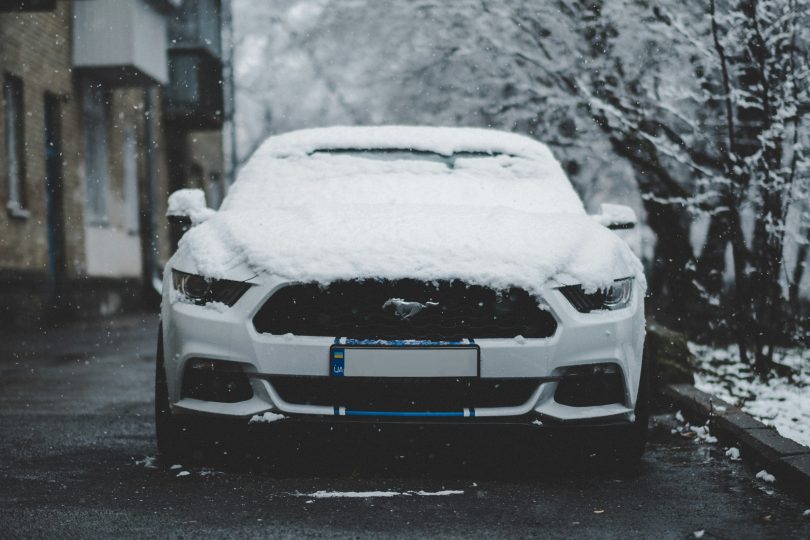

As temperatures drop and harsh winter conditions set in, your vehicle faces a barrage of threats that can damage its exterior and diminish its value. From road salt and ice to gravel and UV exposure on snowy days, winter presents unique challenges for car owners who want to maintain their vehicle’s pristine appearance. Understanding how to protect your car during these months is essential for long-term preservation and aesthetic appeal.
Why Winter is Particularly Hard on Your Car’s Paint
Winter weather creates a perfect storm of damaging elements for automotive finishes. Road salt, used extensively in colder regions to melt ice, is highly corrosive and can eat through clear coat and paint if left untreated. The freeze-thaw cycle causes existing chips and scratches to expand, while sand and gravel kicked up by other vehicles create new damage constantly.
Beyond chemical and physical damage, UV rays remain a concern even in winter. Snow reflects up to 80% of UV radiation, which can accelerate paint oxidation and fading. Many car owners focus solely on summer sun protection, overlooking this significant winter threat that affects vehicles parked outdoors.
The combination of these factors means that a single winter season can age your car’s appearance by several years if proper protective measures aren’t in place.
The Rise of Protective Film Technology
Traditional wax and sealants offer temporary protection but require frequent reapplication and provide limited defense against physical damage. This limitation has driven the automotive industry toward more advanced solutions, particularly paint protection films and vinyl wraps that create a durable barrier between environmental hazards and your vehicle’s original paint.
Modern protective films have evolved significantly from early iterations that were prone to yellowing and peeling. Today’s premium options from manufacturers like Sailifilm offer crystal-clear protection with self-healing properties that can repair minor scratches through heat exposure. These films are engineered to withstand extreme temperature variations, making them ideal for winter applications.
Understanding Your Protection Options
When considering winter protection for your vehicle, two primary categories stand out: clear paint protection film (PPF) and colored vinyl wraps. Each serves distinct purposes while providing substantial protection against winter elements.
Clear PPF offers invisible protection that preserves your factory finish while guarding against chips, scratches, and chemical damage. High-quality films from reputable suppliers feature hydrophobic properties that cause water and contaminants to bead and roll off, reducing the adhesion of road salt and grime.
For those seeking both protection and aesthetic transformation, a car color change wrap provides an exciting alternative. These colored protective films combine the defensive properties of traditional PPF with vibrant color options, allowing vehicle owners to refresh their car’s appearance while adding a protective layer. Sailifilm has pioneered developments in this space, offering colored PPF options that don’t sacrifice protection for style.
Key Features to Look for in Winter-Grade Protection
Not all protective films perform equally in winter conditions. When selecting protection for cold-weather use, several characteristics matter significantly.
Temperature flexibility ensures the film maintains its protective properties without becoming brittle or losing adhesion in freezing temperatures. Premium films maintain elasticity down to extreme cold, preventing cracking or lifting at edges where moisture could infiltrate.
Self-healing capabilities become particularly valuable in winter when minor abrasions are common. Films with this technology use body heat or warm water to flow back together after light scratches, maintaining a flawless appearance throughout the season.
Chemical resistance protects against road salt, de-icing chemicals, and winter cleaning products that might otherwise damage standard automotive finishes. Quality films create an impermeable barrier that prevents these corrosive substances from reaching the paint beneath.
Professional Installation vs. DIY Application
While some car enthusiasts attempt self-installation of protective films, winter applications present additional challenges that often warrant professional service. Cold temperatures affect film conformability and adhesive activation, requiring heated environments and specialized techniques that professional installers understand.
Visiting a vehicle vinyl wrap shop with experience in winter installations ensures proper adhesion and longevity. Professional installers maintain controlled environments and possess the tools necessary for complex curves and edges that characterize modern vehicle designs. They also understand the cure times and post-installation care requirements that vary with temperature and humidity.
Sailifilm works with certified installation partners worldwide, ensuring customers receive expert application regardless of location. This network of professionals understands the specific requirements of different film types and can recommend appropriate solutions based on local climate conditions.
Maintaining Your Protected Vehicle in Winter
Even with quality protection installed, proper winter maintenance extends film life and performance. Regular washing removes salt and chemical buildup before it can test the film’s chemical resistance. Using pH-neutral soaps and avoiding high-pressure washing at close range preserves edge adhesion.
After washing, thorough drying prevents water spots and mineral deposits that can form when water evaporates, especially in hard water areas. Many protected vehicles benefit from occasional spray wax applications that enhance hydrophobic properties without interfering with film performance.
Parking considerations also affect long-term results. When possible, garage parking protects both the film and underlying paint from temperature extremes. For vehicles parked outdoors, avoiding areas where ice may fall from buildings or trees prevents impact damage that even quality films cannot fully prevent.
The Investment Perspective
Quality paint protection represents an investment in your vehicle’s long-term value. Cars with well-maintained original paint command significantly higher resale prices than those showing wear and environmental damage. The cost of professional correction for paint damaged by winter conditions often exceeds the initial investment in protective film.
Beyond financial considerations, protected vehicles simply look better throughout their service life. The satisfaction of maintaining a showroom appearance despite harsh conditions adds to the ownership experience, particularly for enthusiasts who take pride in their vehicles.
Choosing Quality Protection
The market offers numerous options at varying price points, but winter protection demands quality materials that perform under stress. Established manufacturers like Sailifilm invest in research and development to create films specifically engineered for challenging conditions.
When evaluating options, consider warranty coverage as an indicator of manufacturer confidence. Quality films typically carry multi-year warranties against yellowing, cracking, and adhesion failure. These warranties provide peace of mind and protect your investment against manufacturing defects.
Conclusion
Winter car care extends beyond regular washing and fluid maintenance. Protecting your vehicle’s finish from the unique challenges of cold-weather driving requires proactive measures that guard against physical, chemical, and environmental damage.
Whether you choose clear protection to preserve your factory finish or opt for a colored PPF to transform your vehicle’s appearance while adding protection, the key lies in selecting quality materials and professional installation. Manufacturers like Sailifilm continue advancing film technology, offering car owners increasingly effective options for maintaining their vehicles through harsh winter conditions and beyond.
Taking action before winter arrives ensures your vehicle faces the season with comprehensive protection in place, emerging in spring with the same impressive appearance it had when the first snowflakes fell.